


Why Is My Child Not Progressing in Swimming Lessons?

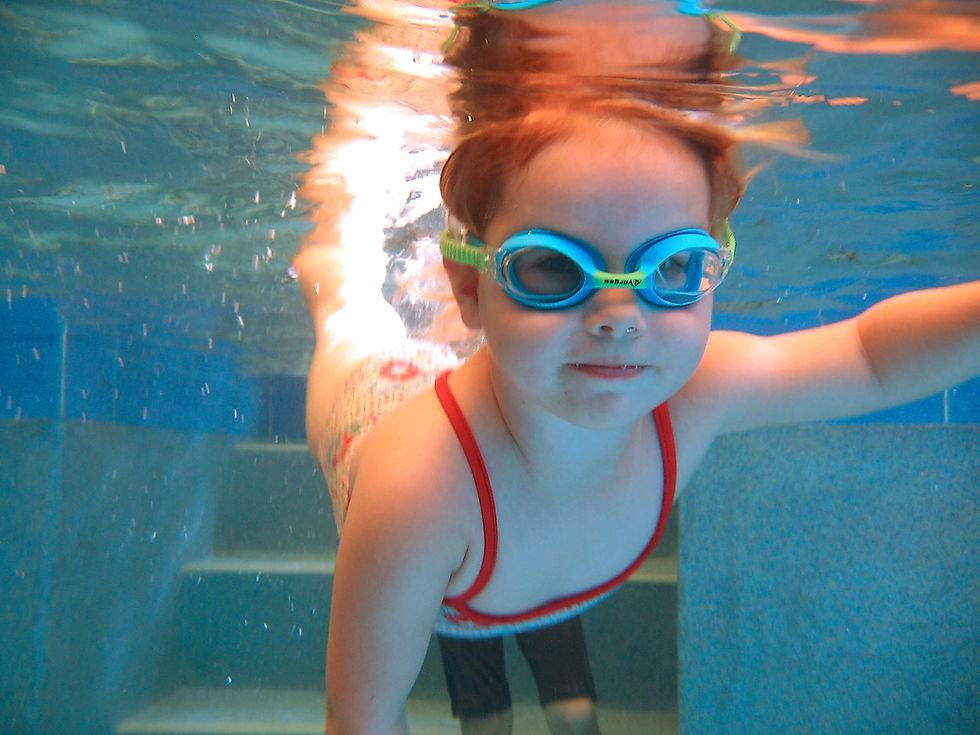
It can be worrying when your child has been attending swimming lessons for some time, yet doesn't seem to be progressing as quickly as you expected. You may even find yourself asking, "Why is my child not learning to swim?"
The good news is that this is one of the most common questions swimming teachers hear.
Every child develops differently, and learning to swim is about much more than mastering strokes. Confidence, body awareness, coordination, emotional readiness, and positive experiences all play an important role in swimming development.
Understanding what influences progress can help parents set realistic expectations and support their child in a way that encourages long-term success.
Every Child Learns Swimming at Their Own Pace
Just as children learn to walk, talk, and read at different ages, they also learn swimming skills at different rates.
Some children feel immediately comfortable in the water, while others need more time to build trust before they're ready to try new skills.
Many factors influence learning, including:
personality and temperament
previous experiences around water
age and developmental stage
coordination and motor development
confidence levels
sensory preferences
life events and changes
Children who take longer to develop confidence are not necessarily behind. Often, they are building important foundations that will support stronger progress later.
Progress Means More Than Swimming Independently
Parents may judge progress by one question: "Can my child swim on their own yet?"
In reality, swimming is built from many smaller achievements.
A child may be progressing by:
feeling happy entering the pool
putting their face in the water willingly
learning breath control
floating with increasing relaxation
improving body position
following instructions more confidently
becoming more independent during activities
These early swimming foundations are essential before more advanced skills can develop naturally.
Swimming independently is simply one milestone among many.
Common Reasons Children May Progress More Slowly
There are many normal reasons why some children appear to progress more gradually.
These include:
They are still developing confidence
Children who feel nervous often spend more time observing before actively participating.
They have had previous negative experiences
A frightening experience around water can temporarily affect confidence and willingness to participate.
Attendance has been inconsistent
Long breaks between lessons often require children to rebuild confidence before learning new skills.
Their developmental stage is different
Some physical and cognitive skills simply mature at different times.
They're still learning the foundations
Children enrolled in beginner swimming lessons spend considerable time developing breathing, balance, floating, and movement before stroke technique becomes the focus.
Slower progress is not always slower learning.
Sometimes children are simply preparing for their next developmental leap.
Why Consistency Makes a Difference
Regular attendance is one of the strongest predictors of long-term progress.
Children learn through repetition.
Each lesson reinforces previous experiences, allowing skills to become increasingly familiar and automatic.
Consistent attendance supports:
stronger water confidence
improved skill retention
familiarity with routines
trust in the teacher
smoother progression between lessons
This is why ongoing swimming lessons for growing children often produce better long-term outcomes than occasional intensive sessions.
Learning to swim is a gradual process that benefits from regular, positive experiences over time.
How Parents Can Support Swimming Progress
Parents play an incredibly important role in helping children enjoy swimming.
One of the best ways to encourage progress is by parent involvement during early swim learning.
Helpful strategies include:
maintaining regular attendance
celebrating small successes
speaking positively about swimming
avoiding comparisons with other children
allowing children to progress at their own pace
enjoying relaxed family swimming when appropriate
Children who feel encouraged rather than pressured are often more willing to try new challenges.
The Importance of Building Water Confidence First
Confidence is often the invisible skill that makes every other swimming skill possible.
Children who feel relaxed in the water are generally better able to:
listen to instructions
coordinate movements
regulate breathing
experiment with new skills
enjoy learning
For children who need extra reassurance, supporting children who feel unsure in the water with patience and positive experiences often leads to more lasting progress than pushing technical skills too early.
When children feel safe, learning usually follows.
Choosing the Right Learning Environment
Not every child learns best in the same environment.
Many families find that children thrive in a positive place for children to learn, where they feel relaxed, supported, and known by their teacher.
When considering a swim school, look for:
warm, comfortable water
experienced instructors
small class sizes
gradual progression
consistent teaching
positive encouragement
Children who feel emotionally secure often become more willing to participate and explore new skills.
When Should Parents Be Concerned About Slow Progress?
In most cases, slower progress is completely normal.
However, it may be worth discussing your child's development with their instructor if they:
remain extremely distressed over many weeks of regular lessons
refuse to participate consistently
lose previously established skills without explanation
show no increase in confidence after an extended period of regular attendance
have developmental concerns that may benefit from additional support
A good swimming teacher can explain where your child is progressing, even when those improvements may not be immediately obvious.
A swim teacher usually only sees your child half an hour every week. You know your child best, and there may be somethings that can be done at home to help them. Teachers may provide useful insight into what they notice during lessons.
Celebrate Every Milestone
Learning to swim isn't a race.
Every new achievement deserves recognition.
Whether it's the first relaxed float, the first confident submersion, or simply walking happily into the pool, each milestone represents meaningful progress.
Children who enjoy swimming are more likely to continue swimming, and those positive experiences often lead to stronger skills over time.
Instead of focusing only on how quickly your child reaches independence, celebrate the confidence, resilience, and enjoyment they build along the way.
These are the qualities that support lifelong swimming.
FAQs
Why is my child not progressing in swimming lessons?
Every child develops differently. Progress can be influenced by confidence, previous experiences, developmental stage, personality, attendance, and learning style. Many children build important foundational skills before visible swimming abilities emerge.
How long does it take children to learn to swim?
There is no standard timeline. Some children develop confidence quickly, while others need more time. Regular attendance, positive experiences, and individual readiness all influence how long learning takes.
What are signs that my child is making progress?
Progress may include increased confidence, improved breath control, floating more comfortably, better body awareness, greater participation, following instructions, and enjoying lessons more. Swimming independently is only one measure of success.
Does missing swimming lessons affect progress?
Yes. Regular attendance helps children retain skills, maintain confidence, and build upon previous learning. Extended breaks can slow progress because children often need time to regain familiarity with the water.
How can parents help children improve their swimming skills?
Parents can support progress by attending lessons consistently, encouraging without pressure, celebrating small achievements, speaking positively about swimming, and providing opportunities for enjoyable family water experiences when appropriate.


